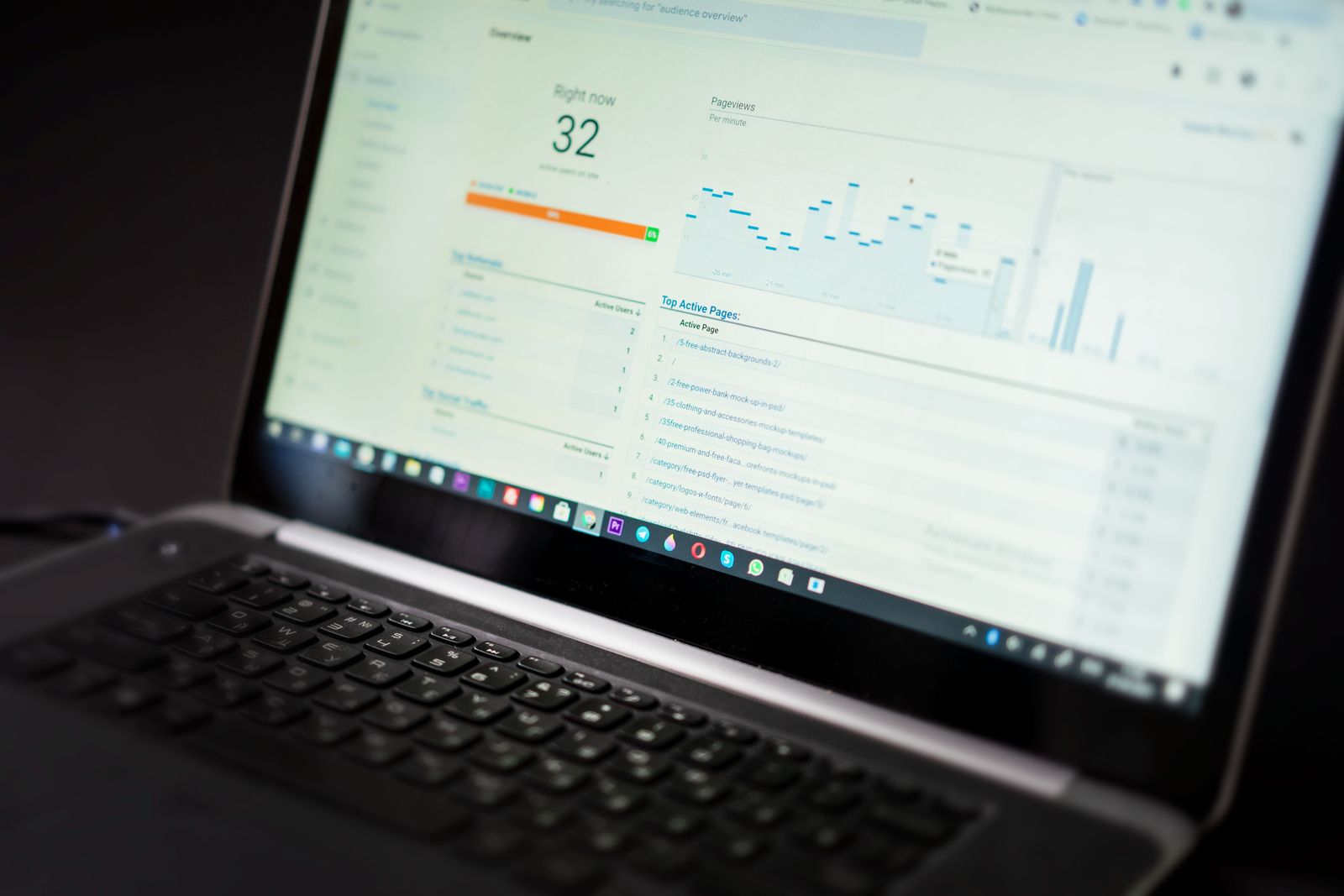
The SEO Mistake That Cost One Business 70% of Its Traffic
In today's digital landscape, a significant 68% of online experiences begin with a search engine. That's a vast audience actively seeking information, products…
garejoioijagagsijo
8 min read

On this page
In today's digital landscape, a significant 68% of online experiences begin with a search engine. That's a vast audience actively seeking information, products, and services. If your website isn't optimized to be found, you're missing out on a substantial opportunity. Search Engine Optimization (SEO) is crucial for achieving that visibility, but overlooking its best practices can have serious repercussions.
SEO, the key to being seen online.
This isn't just a theoretical concept. We're going to examine a real-world case study of a business that learned this lesson through experience. They experienced a dramatic 70% drop in website traffic due to a single, critical SEO oversight. This post will analyze that oversight, explore the resulting challenges, and, most importantly, provide actionable steps to help you avoid a similar fate. We'll uncover the specific error, the reasons behind it, the resulting damage, and the path to recovery, offering a roadmap for maintaining a healthy and thriving online presence.
The Business Before the Fall: A Snapshot of Success
Imagine a successful e-commerce business specializing in handcrafted, eco-friendly home goods. Their website was the central hub for their operations, showcasing their unique products and connecting them with a dedicated customer base. The site featured beautifully curated product pages, informative blog posts about sustainable living, and a user-friendly shopping experience. Key content categories included furniture, decor, and kitchenware, each designed to appeal to environmentally conscious consumers.
Before the SEO issue arose, the business enjoyed a healthy mix of traffic sources. While direct traffic from loyal customers and referral traffic from partner blogs played a role, organic traffic was the lifeblood of their online success, accounting for over 60% of their total visitors. This meant they were ranking well for relevant keywords and attracting a steady stream of potential customers actively searching for their products.
Their SEO performance reflected this success. They held top positions for keywords like "eco-friendly home decor," "sustainable furniture," and "organic kitchenware." Their domain authority was steadily climbing, and they had cultivated a solid backlink profile through collaborations with other eco-conscious businesses and publications. They were seemingly doing everything right.
The Fatal Flaw: Identifying the SEO Oversight
The problem? Neglecting Core Web Vitals.

A "Go Slow" sign visually represents how a website's poor performance can impede user experience and search engine rankings.
In simpler terms, Core Web Vitals are a set of specific factors that Google considers important in a website's overall user experience. They measure things like loading speed (Largest Contentful Paint - LCP), interactivity (First Input Delay - FID), and visual stability (Cumulative Layout Shift - CLS). A slow, unresponsive, or visually unstable website provides a poor user experience, and Google penalizes such sites in its search rankings.
The oversight wasn't intentional. The business owner, while knowledgeable about SEO basics, wasn't aware of the growing importance of Core Web Vitals as a ranking factor. They hadn't prioritized website speed optimization, and as a result, their site became increasingly sluggish, especially on mobile devices. This oversight stemmed from a lack of awareness about recent algorithm updates and a reliance on outdated SEO strategies.
The initial warning signs were subtle: a gradual decline in keyword rankings, an increase in bounce rate (users leaving the site quickly), and a decrease in time spent on page. These signals were either ignored or misinterpreted as minor fluctuations, rather than red flags indicating a deeper problem. For example, users on mobile devices experienced page load times exceeding 10 seconds, leading to a 40% abandonment rate on product pages. Furthermore, the visual instability caused by shifting elements during loading resulted in accidental clicks on ads and incorrect product selections, increasing user frustration and decreasing conversion rates by 25%.
The Domino Effect: Consequences of the SEO Oversight
The consequences were swift and significant. Within a few months, the website experienced a 70% drop in organic traffic.

Stock market ticker showing financial losses, illustrating the significant revenue drop a business can experience due to SEO oversights.
"most business owners don't care about SEO until they lose 70% of their traffic in 12 days."
The impact on keyword rankings was equally severe. They plummeted from the top positions for their target keywords, losing ground to competitors who had prioritized website speed and user experience. This loss of organic traffic directly translated into a significant reduction in leads and sales. Brand visibility decreased, and the business struggled to attract new customers. The financial losses were substantial, forcing them to make difficult decisions, including employee layoffs and restructuring.
Initially, they attempted to address the problem by creating more content and building more backlinks, but these efforts proved futile. They were treating the symptoms, not the underlying cause. Without addressing the Core Web Vitals issues, their website remained slow and unresponsive, and Google continued to penalize them in the search rankings.
The Road to Recovery: Fixing the SEO Oversight
The first step towards recovery was a thorough SEO audit, focusing specifically on Core Web Vitals. They used tools like Google PageSpeed Insights and Lighthouse to identify the specific areas where their website was failing. This revealed that their LCP (loading speed) was excessively slow due to large, unoptimized images and inefficient code. Their CLS (visual stability) was also poor, with elements shifting around on the page as it loaded, creating a frustrating user experience.
The corrective measures involved a multi-faceted approach:
- Image Optimization: Compressing and resizing images to reduce file sizes.
- Code Optimization: Minifying CSS and JavaScript files to improve loading speed.
- Caching Implementation: Implementing browser caching to store static assets and reduce server load.
- Content Delivery Network (CDN): Utilizing a CDN to distribute website content across multiple servers, ensuring faster loading times for users around the world.
- Optimizing for Mobile: Ensuring the website was fully responsive and optimized for mobile devices.
After implementing these changes, the business saw significant improvements. The average page load time decreased from 8 seconds to under 3 seconds, resulting in a 15% increase in conversion rates.
The word "SEO" is spelled out in Scrabble tiles, highlighting the importance of Search Engine Optimization.
They also revisited their content strategy, focusing on creating high-quality, engaging content that provided real value to their audience. They conducted keyword research to identify new opportunities and updated existing content to improve its relevance and user experience. While link building wasn't the primary focus, they continued to build relationships with other businesses and publications in their niche, earning high-quality backlinks over time. As one SEO professional shared on Reddit,
"it’s a long game, but a clear site structure and a few strong links will get you moving up."
Crucially, they implemented ongoing SEO monitoring and analysis, using tools like Google Analytics and Google Search Console to track their progress and identify any new issues that might arise.
Lessons Learned: Avoiding Similar SEO Pitfalls
This case study highlights the critical importance of proactive SEO management and staying up-to-date with the latest best practices and algorithm updates. Here are some key takeaways:
- Regularly audit your website's SEO performance, paying close attention to Core Web Vitals and other user experience metrics.
- Stay informed about the latest SEO trends and algorithm updates. Google is constantly evolving its ranking algorithms, so it's essential to stay ahead of the curve.
- Invest in SEO expertise, either by hiring an in-house SEO specialist or working with a reputable SEO agency.
- Focus on user experience and content quality. A website that provides a positive user experience and valuable content is more likely to rank well in search results. As one Reddit user aptly put it,
- Prioritize mobile optimization and site speed. In today's mobile-first world, a slow or unresponsive website can be a major turnoff for users.
- Implement a regular website maintenance schedule. Regularly update plugins, themes, and CMS software to ensure optimal performance and security.
"write actual useful content for people. Not search engines."
SEO isn't a one-time fix; it's an ongoing process. Building a sustainable SEO strategy requires a long-term commitment to continuous improvement and adaptation. In fact, some SEOs are seeing that
"normal SEO still works"
for AI overviews.
Conclusion: Protecting Your Online Presence
The case study clearly demonstrates the importance of prioritizing Core Web Vitals and maintaining a proactive approach to SEO. The business in this example experienced a significant loss in traffic and revenue due to neglecting these crucial elements. By focusing on user experience, staying informed about algorithm updates, and implementing a regular maintenance schedule, businesses can avoid similar pitfalls and protect their online visibility. Remember, a well-executed SEO strategy is a powerful tool for driving traffic, generating leads, and achieving long-term business growth. Don't underestimate the power of SEO when done right – it can be the difference between thriving and simply surviving in the competitive online landscape.
Further Reading: Since you're learning about SEO, you might also find this article helpful: [Link to relevant Trendhopper blog post about Core Web Vitals or SEO audits]